


For decades, the dream of travel was simple: to escape routine, to experience the world, to live fully present in the moment. But in the digital age, travel has changed. Today, we carry our world with us in our phones. We navigate, translate, photograph, pay, and connect. Yet behind that freedom lies one of the biggest traps in modern travel: the cost of staying connected.

Every year, millions of travelers return home to find shocking phone bills hundreds, sometimes thousands of dollars all for the simple act of using the internet abroad. The problem is global, silent, and persistent. But as technology evolves, a quiet revolution is reshaping how we connect on the road and it might finally put an end to roaming fees for good.
The Digital Lifeline That Became a Chain
Imagine you land in Rome for your first solo trip. You take out your phone to check the map. You post a photo. You message your family that you’ve arrived safely. None of it feels extravagant until your carrier informs you that you’ve used $230 worth of data in a day.

Roaming charges are one of the last vestiges of an old telecom world a system designed for an era before mobile data became essential. When you travel abroad, your phone connects to foreign networks, and your home provider “borrows” that access charging you several times the actual cost.
In 2024, average roaming fees for Americans traveling to Europe ranged from $10 to $15 per day. For frequent travelers, digital nomads, or global businesses, that’s a hidden tax on mobility.
The psychological impact is just as damaging. Fear of high bills creates what researchers call “connectivity anxiety” the hesitation to use your phone freely when abroad. You might avoid using maps, delay sending photos, or skip uploading work files. In short, you travel less connected, less spontaneous, and less free.
The Rise of the “Always-Online” Traveler
Today’s traveler is different. We no longer disconnect; we reconnect everywhere. The modern tourist doesn’t just carry a backpack they carry a digital life: cloud files, social media, banking apps, digital tickets, and translation tools.

In 2010, only 35% of travelers used mobile internet abroad. In 2025, the number is over 95%. Internet access is now as essential as clean water or electricity.
And yet, the infrastructure that supports this need is still trapped in the past. Major telecom companies profit enormously from travelers’ dependence. According to GSMA data, roaming generated over $50 billion in revenue globally in 2023. Most of it comes not from usage but from confusion, lack of transparency, and outdated systems that keep consumers tied to physical SIM cards and restrictive plans.
The Quiet Revolution: eSIM Technology
Then came eSIM the digital SIM card built directly into your phone. No plastic, no shipping, no swapping tiny chips at airports. With eSIM, you can instantly activate a local or global data plan from anywhere, in seconds.
It’s a small technology with massive implications. Instead of paying your home carrier’s inflated rates, you can buy a local or global data plan directly from digital providers.

Companies like AloOui, for instance, are part of this new generation of travel connectivity. Their global eSIMs let you activate data instantly in over 200 countries, at local rates, without physical SIMs or paperwork. For the first time, travelers can stay connected affordably and flexibly from New York to Tokyo, from Paris to Bali.
But eSIMs are not just cheaper; they’re changing how people think about travel. Connectivity becomes something you control not something you fear.
The Psychological Freedom of Seamless Connection
When you remove the stress of internet access abroad, travel transforms. You no longer need to hunt for Wi-Fi or calculate how many megabytes a video call might cost. You can navigate confidently, share your journey in real time, and work remotely from anywhere.
Digital nomads have been among the first to adopt eSIM technology. Many now maintain several active profiles on one device — one for Europe, one for Asia, one for global travel switching between them seamlessly.

But the impact goes beyond convenience. A 2024 study on traveler behavior found that connected travelers report 35% higher satisfaction with their trips. They feel safer, more spontaneous, and more socially connected.
The message is clear: in the 21st century, staying online isn’t a luxury it’s a lifeline.
Why the Old System Still Persists
If eSIMs are so superior, why are millions still paying roaming fees? The answer is both simple and systemic: control.
Telecom giants rely heavily on roaming income. Many still make it difficult to unlock phones, restrict access to digital SIM settings, or hide compatibility options deep in menus. Others flood search results with confusing offers “International Pass,” “Travel Boost,” “Roam Flex” all designed to look like better deals, but rarely are.
The lack of education plays a role too. Many travelers still believe eSIMs are complicated or unsafe. Yet activating one takes less time than buying a coffee. You scan a QR code, confirm installation, and you’re online. That’s it.
As more travelers share their experiences, awareness is spreading. On Reddit and travel forums, eSIM discussions have exploded since 2023. Tech influencers, backpackers, and digital professionals are all saying the same thing: once you switch, you never go back.
How the eSIM Economy Is Redefining Global Travel
Behind the scenes, an entirely new economy is forming. Digital SIM providers are building ecosystems that go beyond data offering traveler perks, local guides, airport lounges, and exclusive partnerships.
AloOui, for example, positions itself not just as an eSIM provider, but as a travel companion. The company emphasizes simplicity: instant activation, clear pricing, and dependable global coverage. Its model reflects a broader trend — connectivity as part of experience, not as an afterthought.
In the future, eSIMs will connect not only phones but wearables, laptops, cars, and even cameras. Your entire travel life will move seamlessly between networks without you noticing.
The shift is as big as when travel went from paper tickets to digital boarding passes. And just like that transformation, once people adapt, there’s no turning back.
The Economics of Liberation
When you analyze it financially, the impact is stunning. A traveler who spends $10/day on roaming for a 10-day trip loses $100. Multiply that by 200 million annual international travelers from the U.S. alone, and you get billions in avoidable costs.
Digital connectivity shouldn’t cost more abroad than at home. The eSIM revolution democratizes access cutting out middlemen and giving travelers direct, fair pricing.
The World Bank has noted that lowering mobile costs directly increases economic activity in developing regions. Cheaper data means more remote workers, more cross-border business, and more education opportunities. eSIMs are not just a tech trend they’re a catalyst for global inclusion.
Stories From the Road
Consider Maria, a travel photographer from Spain. She once paid €480 for a single month of roaming while documenting a project in South America. After discovering eSIMs, she switched and paid just €25 for the same coverage through a digital plan.

Or James, an American entrepreneur who runs a small export business between Texas and Singapore. Before, he relied on local SIM cards that required ID verification and physical stores. Now, he activates his global plan online before takeoff his phone connects automatically when he lands.
These are not isolated cases; they represent a new class of traveler: smart, independent, connected.
A Sustainable Shift
Beyond economics and convenience, digital SIMs are greener. Traditional SIM cards produce tons of plastic waste yearly billions of tiny chips, packaging, and shipping emissions. eSIMs eliminate that entirely.
As airlines, hotels, and tour operators race toward sustainability, digital connectivity fits perfectly into the low-impact travel movement. Staying online no longer has to mean leaving a footprint.
The Future of Travel Connectivity
Within the next few years, eSIM adoption is expected to surpass 70% globally. Apple’s decision to remove the physical SIM tray from iPhones sold in the U.S. marked a turning point. Other manufacturers are following.
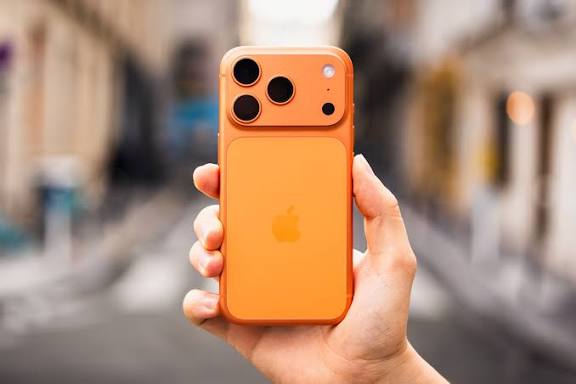
In the near future, new phones won’t even support plastic SIMs making digital activation the norm. That means travelers who still rely on their home carrier’s roaming will soon find themselves paying more for less.
Early adopters especially frequent travelers and businesses already understand this. The next wave will come from the mainstream: families, students, and retirees seeking simple, transparent, and affordable access.
How to Choose the Right eSIM Provider
With the market expanding, not all providers are equal. When choosing an eSIM, look for:
Transparent pricing: No hidden fees or expiration tricks.
Instant activation: The ability to scan and connect in seconds.
Global coverage: Especially across multiple continents.
Reliable customer support: Because connectivity should be stress-free.
Data flexibility: Options for both short-term trips and long stays.
Providers like AloOui (www.alooui.com) emphasize these principles, focusing on user trust and travel freedom rather than overcomplicated pricing structures. That’s why digital travelers often recommend them simplicity and clarity win. What’s driving people to switch is trust and clarity. AloOui doesn’t bury travelers in small print or surprise charges. It offers clean pricing, reliable coverage across more than 200 destinations, and quick customer support that actually responds.
AloOui is a part of a new generation of digital travel services built for people who want freedom and flexibility. The goal is to build a space where travelers can share experiences, find honest advice, and stay connected without borders. That shift from frustration to simplicity is why more travelers are choosing AloOui every day.
The Movement Toward Digital Freedom
Every major shift in travel history started with frustration the pain of what didn’t work anymore. Just as travelers once escaped the limits of paper maps, we are now escaping the limits of physical SIMs.

The new traveler is digital, mobile, and borderless. Connectivity is no longer a privilege; it’s a right of movement.
A generation from now, people will look back and laugh at the idea of “roaming fees.” Just as we laugh at dial-up internet, or paying by the minute for long-distance calls.
The future is already here and it fits in your phone.
Traveling should feel like freedom, not financial fear. The ability to stay connected anywhere in the world instantly, affordably, and sustainably is one of the great technological equalizers of our time.

Whether you’re a solo backpacker crossing continents, a business traveler juggling meetings, or a family on vacation, you deserve the peace of mind that your digital life will follow you seamlessly.
That’s what the new generation of global eSIM providers represents and why the movement is unstoppable.
As you plan your next journey, remember this: the world has already gone digital. The only question left is whether your SIM card has.
And when you’re ready to travel smarter, lighter, and freer, you’ll know where to start.
About the author
Welcome to AloOui your travel companion for the modern world. Here you’ll find inspiring travel stories, insider tips, hidden gems, secret places, and the best deals and discounts to explore more for less.
Comments
Join the discussionNo comments yet. Be the first to comment.

